Why Calcium Sulphate Raised Floor Systems Remain a Top Choice for Modern Buildings
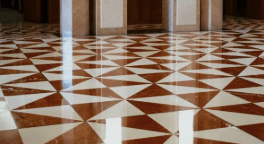
Modern commercial, industrial, and technology-driven facilities demand flooring solutions that combine durability, flexibility, and operational efficiency. Calcium sulphate raised floor systems have emerged as a leading solution, offering strength, moisture resistance, and modular accessibility for underfloor utilities. These systems provide long-term reliability and adaptability, making them ideal for offices, data centers, laboratories, and industrial environments.
Traditional flooring methods often lack the flexibility required for modern infrastructure. With increasing integration of electrical, network, and HVAC systems, the ability to access underfloor utilities without disrupting operations is essential. Calcium sulphate raised floors address this need by providing a durable, modular, and easy-to-maintain solution.
Understanding Calcium Sulphate Raised Floors
A calcium sulphate raised floor system elevates panels above the structural floor, creating an underfloor cavity for utilities, cables, and air distribution. This modular approach allows easy maintenance, upgrades, and reconfiguration of building infrastructure.
Key features of calcium sulphate raised floors include:
- High Load-Bearing Capacity: Supports heavy office equipment, machinery, and foot traffic.
- Moisture and Fire Resistance: Ensures long-term structural stability and safety.
- Flat and Stable Surface: Provides uniform flooring for carpet, tiles, or other finishes.
- Modular Panels: Allow easy removal for access to underfloor utilities.
These features make calcium sulphate raised floors ideal for high-demand environments requiring both reliability and flexibility.
Benefits of Calcium Sulphate Raised Floors
Durability and Strength
Calcium sulphate panels offer superior load-bearing capacity and resistance to deformation, ensuring long-term performance in high-traffic or heavy-use areas.
See also: 8642081690 A Beginner’s Guide to Fitness and Health
Simplified Infrastructure Management
The underfloor space allows organized routing of electrical, data, and HVAC systems. Maintenance and upgrades can be performed efficiently without disrupting operations.
Safety and Fire Resistance
The material’s natural fire-resistant properties improve overall building safety and compliance with regulatory standards. Moisture resistance ensures stability and durability over time.
Acoustic and Thermal Benefits
Raised floors contribute to sound insulation and efficient airflow, enhancing thermal comfort and energy efficiency, particularly in office buildings, laboratories, and data centers.
Facilities seeking efficient, durable, and flexible flooring may explore calcium sulphate raised floor solutions to optimize infrastructure and operational performance.
Applications Across Industries
Calcium sulphate raised floors are widely used in:
- Data Centers: For cable management, cooling systems, and load support.
- Corporate Offices: Facilitates flexible workspace layouts and organized utilities.
- Laboratories and Clean Rooms: Provides chemical-resistant, stable flooring for sensitive operations.
- Industrial Facilities: Supports heavy machinery while maintaining accessible infrastructure.
These applications demonstrate the importance and versatility of calcium sulphate raised flooring in modern facility planning.
Key Considerations for Installation
Load Requirements
Assess expected weight from personnel, equipment, and furniture to ensure proper panel specification.
Environmental Conditions
Evaluate moisture, temperature fluctuations, and fire safety requirements to select suitable materials.
Accessibility
Panels should be easy to remove to access underfloor utilities, reducing operational disruption during maintenance or upgrades.
Longevity and Maintenance
Select durable materials that resist wear, moisture, and chemical exposure, minimizing long-term maintenance costs.
Industry Trends Driving Raised Floor Adoption
Integration with Smart Building Systems
Raised floors support IoT devices, environmental sensors, and intelligent monitoring systems, improving building efficiency.
Sustainability
Durable panels reduce replacement frequency, contributing to eco-friendly construction practices.
Modular and Flexible Design
Modular systems allow rapid reconfiguration, renovations, and infrastructure upgrades with minimal structural changes.
Frequently Asked Questions
1. What is a calcium sulphate raised floor?
It is a raised floor system with panels made of calcium sulphate, offering load-bearing capacity, fire and moisture resistance, and accessible underfloor space.
2. Where are these floors typically used?
They are used in data centers, offices, laboratories, and industrial facilities requiring flexible infrastructure and durability.
3. Why choose calcium sulphate over other floor materials?
Calcium sulphate provides superior durability, fire and moisture resistance, and structural stability compared to traditional cement or wood-core panels.
Conclusion
Calcium sulphate raised floor systems remain an essential solution for modern buildings, combining durability, flexibility, and operational efficiency. From corporate offices and data centers to laboratories and industrial facilities, these floors support organized infrastructure, long-term performance, and future adaptability. Investing in high-quality calcium sulphate raised floors ensures reliable, safe, and flexible flooring for contemporary construction projects.