Digital Systems 8014339733 Designs
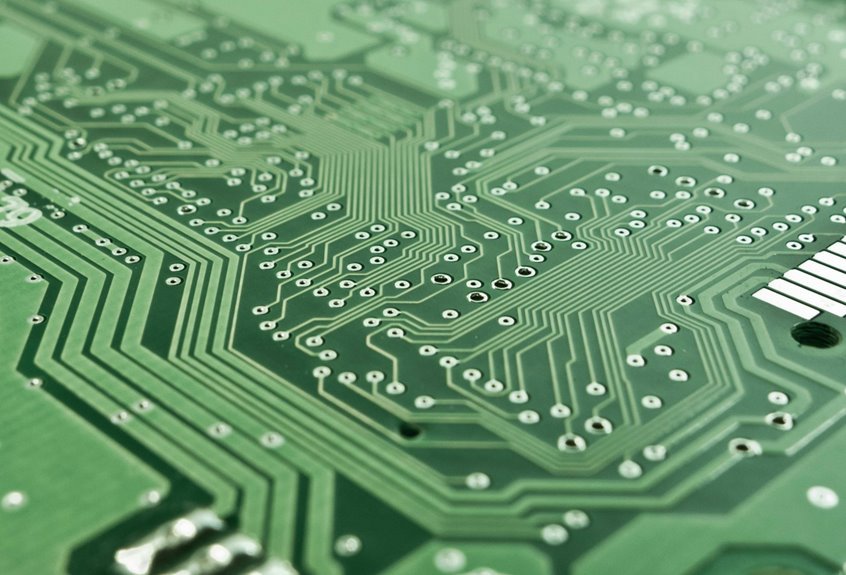
Digital Systems 8014339733 Designs represent a significant advancement in modern technology, characterized by their binary processing capabilities. These systems are engineered for optimal integration and user interaction, facilitating enhanced control in multifaceted environments. Their design principles focus on operational efficiency and customizable functionalities. As industries adopt these systems, the implications for innovation and decision-making become increasingly pronounced. What remains to be explored are the specific benefits and future trajectories of these digital systems.
Key Features of Digital Systems 8014339733 Designs
Digital systems, characterized by their binary processing capabilities, exhibit several key features that define their design and functionality.
A robust user interface facilitates interaction, ensuring usability across diverse platforms. Moreover, effective system integration enhances operational coherence, allowing disparate components to work seamlessly together.
These features collectively empower users, offering them the flexibility and control essential for navigating complex digital environments while maintaining efficiency.
Benefits of Implementing Digital Systems 8014339733 Designs
Implementing digital systems designs offers numerous advantages that enhance operational efficiency and decision-making processes.
These systems provide significant cost efficiency by streamlining resource allocation and minimizing waste.
Furthermore, improved user experience is achieved through intuitive interfaces and tailored functionalities, fostering greater user satisfaction.
Consequently, organizations can capitalize on these benefits to drive innovation and maintain a competitive edge in rapidly evolving markets.
Applications Across Various Industries
As industries increasingly adopt advanced technologies, the applications of digital systems designs have become integral to enhancing operational capabilities across diverse sectors.
In healthcare solutions, these designs streamline patient data management and improve diagnostics.
Similarly, automotive applications leverage digital systems for enhanced safety features and automated driving technologies, demonstrating their pivotal role in driving efficiency and innovation across multiple fields.
Future Trends in Digital Systems Design
While the landscape of digital systems design is continually evolving, several key trends are emerging that promise to shape the future of this field.
Quantum computing is anticipated to revolutionize processing power, enabling complex calculations previously deemed impractical.
Simultaneously, edge processing enhances real-time data analysis, minimizing latency and optimizing bandwidth, thus empowering decentralized architectures that cater to the growing demand for efficiency and responsiveness in digital systems.
Conclusion
In conclusion, Digital Systems 8014339733 Designs are akin to the backbone of modern technological infrastructure, providing essential support for a myriad of applications. Their key features and benefits empower organizations to navigate increasingly complex environments with agility and efficiency. As industries continue to adopt these designs, the potential for innovation and enhanced decision-making becomes limitless. Thus, embracing these systems is not merely an upgrade but a strategic evolution towards a more interconnected and intelligent future.