Smartphone Storage: What’s the Ideal Size for You?
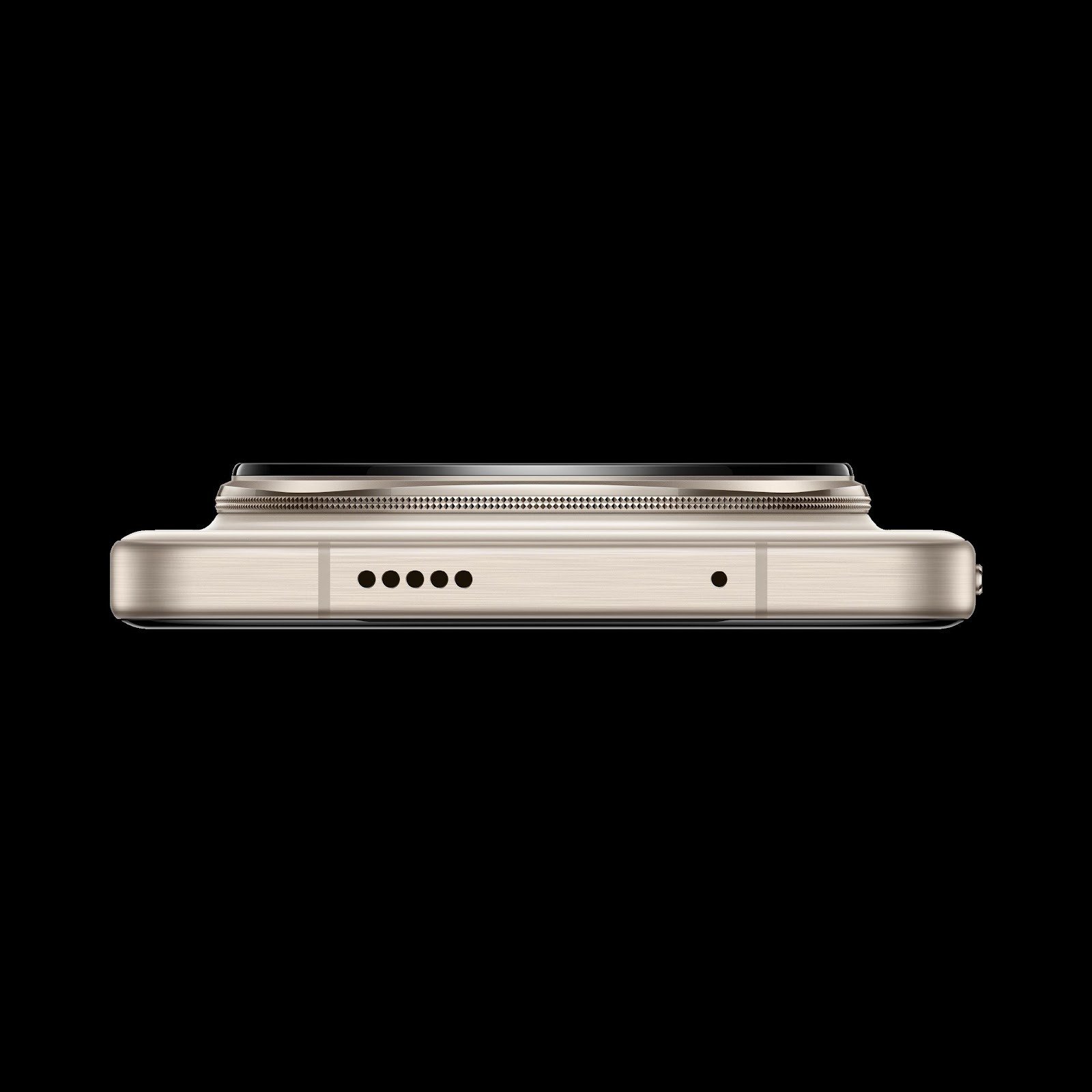
Smartphone storage is critical to the performance of your device. From photographs and movies to apps and documents, the amount of storage you have influences your device’s speed and use. The appropriate storage amount depends on how you use your phone. While some users simply want basic storage, others require additional space to accommodate high-resolution media or huge programs. Understanding how much storage you really need might save you from running out of space or spending on unneeded upgrades. Here’s a guide to determining the optimal storage size for your smartphone.
How Much Storage Do You Really Need?
Assessing Your Daily Usage
Determine how much storage you require by analyzing your regular smartphone usage. If you primarily use your phone for talking, messaging, and surfing the internet, a lesser storage capacity may be sufficient. However, if you shoot a lot of photographs and videos, download applications, or save music and movies, you will need additional space. Games, social media applications, and streaming services all consume a large amount of storage. By assessing your behaviors, you may determine whether a basic or higher-capacity phone is best for you. Keep in mind that the more you use your phone for media-intensive applications, the more storage space you’ll want.
What Affects Storage Requirements?
Several things impact your smartphone’s storage requirements. One of the most important factors is the sort of applications you use; games, photo-editing apps, and video streaming platforms consume more space than simple texting or productivity apps. Furthermore, the quality of the media you keep affects storage. For example, high-resolution photographs and 4K films take up substantially more space than lower-quality images or videos. Other considerations include the number of applications installed and whether you keep offline information such as music, movies, or documents. By taking into account all of these aspects, you can make an informed decision about how much storage you need.
Is Cloud Storage a Solution?
Cloud storage can be an effective method for managing smartphone storage. By transferring photos, movies, and documents to the cloud, you may free up space on your device while maintaining access to your material. Services like HONOR Cloud and Dropbox provide quick access to your files from any device with an internet connection. However, cloud storage has restrictions. You’ll need a reliable internet connection to view your data, and free storage choices are sometimes restricted. If you rely significantly on cloud services, you may want to consider investing in a bigger cloud storage plan to guarantee you have enough capacity.
Comparing Storage Sizes: What’s Best for You?
Entry-Level (32GB, 64GB)
Light users often prefer entry-level storage options such as 32GB or 64GB. These phones are perfect if you use your smartphone only for simple functions such as calling, messaging, accessing the internet, and running a few lightweight applications. With 64GB, you have a little more storage space for photographs and movies, but if you capture a lot of media, you may need to organize your files on a frequent basis. While these storage capacities are inexpensive, they might rapidly fill up if you download a lot of apps or save huge files. For users who infrequently update new stuff, entry-level storage may be sufficient.
Mid-Range (128GB, 256GB)
Mid-range storage options, such as 128GB and 256GB, are ideal for most users. These sizes strike an excellent compromise between price and usefulness, with ample space for intensive app usage, many images and videos, and other files. With 128GB, you can easily store several thousand images and movies, as well as a variety of programs. The 256GB version is great for anyone who often downloads huge programs, stores offline music, or records high-resolution films. These sizes are ideal for consumers who want adequate space without having to continually manage their storage.
See also: Technology in 2025: Transforming the World Through Innovation
High-End (512GB, 1TB)
High-end storage choices, such as 512GB and 1TB, are intended for power users who want enough capacity for intense video consumption, gaming, and multitasking. These capacities are great for storing thousands of high-resolution photographs, movies, and games, as well as using your phone for professional activities like video editing. With 512GB or 1TB, you can store a large quantity of information without running out of capacity, making them ideal for consumers who need a portable media library. However, these phones are more expensive, so think about whether you really need this much capacity before buying one.
Should You Opt for a Larger Storage Size?
Choosing a greater storage capacity relies on your use patterns and the sorts of jobs you usually conduct. If you save a lot of music, download huge programs, or work with files that take up a lot of space, a greater storage capacity is a good purchase. With 128GB or 256GB, you may have a flawless experience without running out of space. For customers who primarily utilize cloud storage, a mid-range phone may suffice. However, if you retain every photo, movie, or file on your phone or use it for business purposes, going with 512GB or 1TB may save you from having to continuously manage your storage. Consider your requirements carefully to avoid paying for excess storage.
Conclusion
How you use your smartphone determines the appropriate storage space. Entry-level alternatives such as 32GB or 64GB are ideal for casual users, while mid-range options such as 128GB or 256GB provide a reasonable balance for the majority of individuals. If you use a lot of media or need more capacity for business, high-end choices like 512GB or 1TB may be worth the expenditure. Don’t forget to explore cloud storage as a way to complement your device’s storage capacity. For example, the HONOR Magic 8 Pro uk offers a range of storage options to suit different needs. By assessing your needs and habits, you can choose the ideal storage size to optimize your smartphone experience and avoid unnecessary storage struggles.