Flexible Packaging Equipment: Powering the Future of Modern Packaging Industry
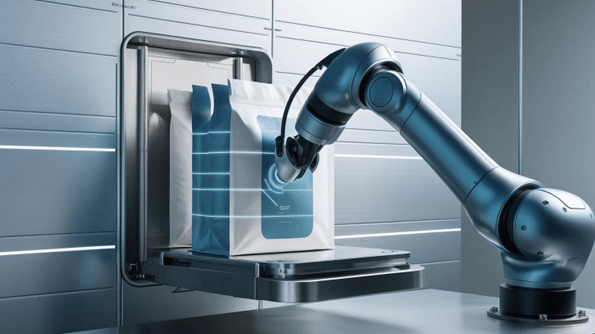
In today’s fast-growing global market, packaging plays a critical role in product safety, branding, and customer experience. As consumer demand continues to rise for convenient, durable, and eco-friendly packaging solutions, the importance of advanced machinery has increased significantly. Among these technologies, flexible packaging equipment has become one of the most essential components of modern manufacturing industries.
Flexible packaging is widely used in food, beverage, pharmaceutical, cosmetic, and consumer goods sectors. It offers lightweight structure, cost efficiency, and excellent product protection. Behind this success lies high-performance flexible packaging equipment that ensures precision, speed, and consistency in production.
What is Flexible Packaging Equipment?
Flexible packaging equipment refers to a range of industrial machines used to produce packaging materials that can easily bend, fold, or change shape without breaking. These materials are typically made from plastic films, aluminum foil, paper, or multi-layer laminates.
The equipment is designed to handle processes such as printing, laminating, filling, sealing, cutting, and pouch making. It supports high-speed production lines and ensures that packaging meets strict quality standards.
Flexible packaging machines are used to manufacture products like:
- Food pouches and snack bags
- Beverage sachets
- Pharmaceutical packaging
- Cosmetic packaging
- Detergent and household product packs
- Industrial and agricultural packaging
Importance of Flexible Packaging Equipment in Modern Industry
The demand for flexible packaging equipment has increased rapidly due to changing consumer lifestyles and industrial requirements. Today’s customers prefer packaging that is lightweight, easy to carry, resealable, and visually attractive.
Manufacturers rely on advanced machinery to meet these expectations while maintaining efficiency and cost control.
Key reasons why flexible packaging equipment is important include:
- High-speed mass production capability
- Reduced material waste
- Improved product protection
- Enhanced shelf appeal
- Cost-effective manufacturing
- Compatibility with eco-friendly materials
This makes flexible packaging equipment a backbone of modern packaging production systems.
Types of Flexible Packaging Equipment
Different stages of packaging production require specialized machinery. Manufacturers use various types of equipment depending on product requirements and production scale.
Printing Machines
Printing equipment is used to print designs, branding, and product information on packaging materials. High-quality printing improves brand visibility and customer attraction.
Laminating Machines
Laminating equipment combines multiple layers of material to improve strength, durability, and barrier protection. It is widely used in food and pharmaceutical packaging.
Slitting Machines
Slitting machines cut large rolls of material into smaller widths for further processing. They ensure precision and reduce material waste.
Bag Making Machines
These machines are used to create finished packaging bags such as stand-up pouches, zipper bags, and flat pouches.
Filling and Sealing Machines
Filling machines automatically fill products into packaging, while sealing machines ensure airtight and secure closure.
See also: Business Bookkeeper US: Simplifying Accounting and Financial Management for Businesses
Coating Machines
Coating equipment applies protective or functional layers to packaging materials, improving resistance to moisture, oxygen, and chemicals.
Each machine plays a specific role in the flexible packaging production process.
Key Features of Modern Flexible Packaging Equipment
Modern packaging machinery has evolved significantly due to advancements in automation and industrial technology. Today’s flexible packaging equipment includes smart features that improve performance and reduce operational costs.
High-Speed Automation
Modern machines operate at high speeds, enabling large-scale production with minimal manual intervention.
Precision Control Systems
Digital control panels allow operators to adjust temperature, pressure, and speed for consistent output quality.
Multi-Layer Processing Capability
Advanced machines can handle multiple layers of materials for better packaging strength and barrier protection.
Energy Efficiency
New equipment is designed to reduce energy consumption while maintaining high productivity.
User-Friendly Interface
Touchscreen systems and automated controls make machines easy to operate even for less experienced workers.
Real-Time Monitoring
Some advanced systems include sensors and monitoring tools to track production performance and detect errors instantly.
Applications of Flexible Packaging Equipment
Flexible packaging equipment is used across a wide range of industries due to its versatility and efficiency.
Food Industry
Flexible packaging is widely used for snacks, frozen foods, beverages, and ready-to-eat meals. It helps maintain freshness and extends shelf life.
Pharmaceutical Industry
Medical products require safe and hygienic packaging. Flexible packaging equipment ensures airtight and contamination-free sealing.
Cosmetic Industry
Cosmetic products such as creams, lotions, and samples are often packaged using flexible materials for convenience and attractive presentation.
Household Products
Detergents, cleaning products, and chemical items use flexible packaging for safe handling and storage.
Agricultural Industry
Seeds, fertilizers, and pesticides are commonly packed using durable flexible packaging solutions.
The versatility of these machines makes them essential across multiple industries.
Advantages of Flexible Packaging Equipment
Investing in advanced flexible packaging equipment provides several benefits for manufacturers.
Increased Production Efficiency
Automated systems allow continuous production with minimal downtime.
Cost Reduction
Efficient use of materials and reduced labor requirements help lower overall production costs.
Better Product Protection
Multi-layer packaging improves resistance against moisture, air, and external damage.
Enhanced Branding Opportunities
High-quality printing and finishing improve product appearance and market value.
Environmental Benefits
Modern equipment supports recyclable and eco-friendly materials, reducing environmental impact.
Technological Advancements in Flexible Packaging Equipment
The flexible packaging industry is rapidly evolving due to technological innovation. Manufacturers are integrating smart systems and digital automation into modern equipment.
Some key advancements include:
- PLC-based automation systems
- Servo motor technology for precision control
- IoT-enabled remote monitoring
- AI-assisted quality control
- Fully automated production lines
These innovations help manufacturers increase efficiency, reduce errors, and improve product consistency.
Role of Flexible Packaging Equipment in Global Industry
Flexible packaging equipment plays a vital role in supporting global supply chains. As e-commerce and consumer goods industries expand, the demand for efficient packaging solutions continues to grow.
Manufacturers worldwide depend on advanced machinery to meet international quality standards and production demands. Countries with strong industrial manufacturing capabilities are leading the development and export of these machines.
This global reliance highlights the importance of continuous innovation in packaging technology.
Sustainability and Eco-Friendly Packaging Solutions
Sustainability is becoming a major focus in the packaging industry. Modern flexible packaging equipment is being designed to support eco-friendly practices.
Key sustainable features include:
- Reduced material waste
- Compatibility with recyclable films
- Energy-efficient operation
- Water-based adhesive systems
- Lower carbon emissions
These improvements help manufacturers meet environmental regulations while maintaining production efficiency.
Future of Flexible Packaging Equipment
The future of flexible packaging equipment is expected to be highly automated, intelligent, and environmentally friendly. As consumer demand continues to evolve, manufacturers will focus on improving speed, precision, and sustainability.
Future trends may include:
- Fully smart factories with automated packaging lines
- AI-driven production optimization
- Advanced biodegradable material processing
- Real-time cloud-based monitoring systems
- Higher-speed multi-function machines
These developments will shape the future of global packaging industries.
Conclusion
Flexible packaging equipment has become a cornerstone of modern manufacturing industries. Its ability to deliver high-speed production, cost efficiency, and superior product protection makes it essential for food, pharmaceutical, cosmetic, and industrial sectors.
With continuous technological advancement and growing global demand, flexible packaging machinery will continue to evolve and play a major role in shaping the future of packaging solutions worldwide.