Filter Sleeves: A Reliable Solution for Industrial Filtration Systems
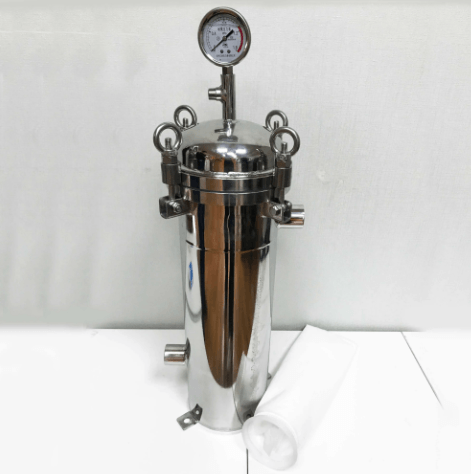
Industrial filtration has become one of the most important processes in modern manufacturing and production industries. From controlling dust emissions to maintaining clean air quality, efficient filtration systems are essential for operational success and environmental protection. Among the many filtration products available today, filter sleeves play a significant role in improving industrial filtration performance.
Filter sleeves are specially designed filtration components used to trap dust, particles, and contaminants in industrial systems. These filtration products are widely used in industries such as cement, pharmaceuticals, food processing, mining, chemicals, and power generation. Their ability to provide efficient filtration while protecting industrial equipment makes them an important part of modern filtration technology.
As industries continue to focus on cleaner production methods and environmental compliance, the demand for durable and high-performance filter sleeves is growing rapidly around the world.
What Are Filter Sleeves?
Filter sleeves are cylindrical or sleeve-shaped filtration fabrics designed to capture unwanted particles from air or gas streams. They are commonly installed in dust collection systems and industrial filtration units to improve air quality and maintain clean operational environments.
These filtration sleeves are manufactured using advanced materials that can withstand challenging industrial conditions, including high temperatures, heavy dust loads, and chemical exposure.
The primary purpose of filter sleeves is to:
- Remove airborne dust particles
- Improve industrial air quality
- Protect machinery from contamination
- Reduce environmental pollution
- Increase filtration system efficiency
Filter sleeves are considered one of the most reliable and cost-effective solutions for industrial dust filtration.
Types of Filter Sleeves
Different industrial applications require different filtration solutions. Because of this, manufacturers produce several types of filter sleeves designed for specific operational requirements.
Dust Collection Filter Sleeves
Dust collection filter sleeves are mainly used in industrial dust collectors and baghouse systems. These sleeves help trap fine dust particles generated during manufacturing processes.
Industries that commonly use dust collection filter sleeves include:
- Cement plants
- Steel industries
- Mining operations
- Woodworking factories
- Power plants
These filtration sleeves help maintain cleaner working environments and reduce harmful emissions.
High-Temperature Filter Sleeves
Certain industries operate under extremely high temperatures where ordinary filtration materials may fail. High-temperature filter sleeves are manufactured using heat-resistant materials such as fiberglass, aramid, and PTFE.
These sleeves are ideal for industries such as:
- Cement manufacturing
- Metal processing
- Thermal power generation
- Chemical processing
Chemical-Resistant Filter Sleeves
Some industrial environments involve exposure to corrosive chemicals and moisture. Chemical-resistant filter sleeves provide excellent protection and long-lasting performance in such conditions.
Custom Filter Sleeves
Many industries require customized filtration products based on specific equipment designs and operating conditions. Manufacturers can produce custom filter sleeves according to industrial requirements.
Benefits of Using Filter Sleeves
Filter sleeves offer several important benefits that make them highly valuable in industrial filtration systems.
Excellent Filtration Efficiency
One of the biggest advantages of filter sleeves is their ability to capture fine particles effectively. This improves air quality and helps industries maintain cleaner production environments.
Improved Equipment Protection
Dust and contaminants can damage industrial machinery and reduce operational efficiency. Filter sleeves prevent harmful particles from entering sensitive equipment.
Cost-Effective Solution
Filter sleeves are affordable and easy to maintain. Their durability also reduces replacement frequency and maintenance costs.
Environmental Compliance
Industrial pollution regulations are becoming stricter worldwide. Filter sleeves help industries reduce dust emissions and meet environmental standards.
Long Service Life
High-quality filter sleeves are designed to withstand demanding industrial conditions, ensuring long-lasting performance.
Materials Used in Filter Sleeves
The effectiveness of filter sleeves depends largely on the materials used during manufacturing. Different materials offer different levels of durability, temperature resistance, and chemical compatibility.
Polyester Filter Sleeves
Polyester is one of the most commonly used materials because of its affordability and strong filtration performance.
Polypropylene Filter Sleeves
Polypropylene filter sleeves provide excellent resistance to chemicals and moisture, making them suitable for many industrial applications.
PTFE Filter Sleeves
PTFE filter sleeves are highly resistant to heat and chemicals, making them ideal for harsh industrial environments.
Fiberglass Filter Sleeves
Fiberglass filter sleeves are commonly used in industries operating at extremely high temperatures.
Aramid Filter Sleeves
Aramid materials offer excellent heat resistance and mechanical strength, making them suitable for demanding filtration systems.
Applications of Filter Sleeves
Filter sleeves are widely used across multiple industries because of their versatility and efficiency.
Cement Industry
Cement manufacturing generates large amounts of dust. Filter sleeves help capture dust particles and improve workplace air quality.
Pharmaceutical Industry
Pharmaceutical production requires contamination-free environments. Filter sleeves support clean manufacturing processes and product safety.
Food Processing Industry
Filtration systems are essential for maintaining hygiene and removing airborne contaminants in food production facilities.
Chemical Industry
Chemical processing plants use filter sleeves to handle corrosive gases and fine particles safely.
Mining Industry
Mining operations produce heavy dust loads that can affect worker safety and equipment performance. Filter sleeves provide effective dust control.
Power Generation Plants
Power plants use filter sleeves to reduce emissions and improve environmental performance.
How to Choose the Right Filter Sleeves
Selecting the correct filter sleeves is important for achieving maximum filtration efficiency and long-term performance.
Consider Operating Temperature
The filter sleeve material should match the operating temperature of the filtration system.
Evaluate Chemical Exposure
Industries dealing with corrosive chemicals should select sleeves with strong chemical resistance.
Check Particle Size Requirements
Different filtration systems require different particle capture capabilities. Choosing the correct micron rating is essential.
Assess Airflow Conditions
Proper airflow compatibility ensures better filtration performance and longer filter life.
Choose Reliable Manufacturers
Working with experienced manufacturers ensures better product quality and technical support.
Maintenance Tips for Filter Sleeves
Proper maintenance can significantly improve the lifespan and efficiency of filter sleeves.
- Inspect filter sleeves regularly for wear and tear
- Replace damaged sleeves immediately
- Clean reusable sleeves according to manufacturer recommendations
- Monitor pressure levels within the filtration system
- Use the correct sleeve material for each industrial application
Routine maintenance helps reduce downtime and operational costs.
See also: Homes for Sale Idaho: Buy a Home with Expert Guidance
Future of Filter Sleeves in Industrial Filtration
The future of industrial filtration is evolving rapidly with advancements in filtration technology and environmental awareness.
Manufacturers are now focusing on:
- Eco-friendly filtration materials
- Advanced dust collection systems
- Improved filtration efficiency
- Smart monitoring technologies
- Energy-efficient filtration solutions
These innovations are expected to improve industrial productivity while reducing environmental impact.
Conclusion
Filter sleeves have become an essential component of modern industrial filtration systems. Their ability to capture dust, protect equipment, and improve air quality makes them highly valuable across industries such as cement, pharmaceuticals, food processing, mining, and chemicals.
By choosing high-quality filter sleeves and maintaining them properly, industries can improve operational efficiency, reduce maintenance costs, and comply with environmental regulations.
As industrial standards continue to rise, the importance of durable and efficient filter sleeves will continue to grow. Investing in reliable filtration solutions is a smart step toward cleaner, safer, and more productive industrial operations.