IV Tube Price: What Influences the Cost of IV Administration Sets
Introduction
The role of iv tube price in modern medical practice continues to grow in importance. As healthcare systems worldwide focus on patient safety and quality improvement, mastering this subject becomes an essential professional competency.
Essential Knowledge for Clinicians
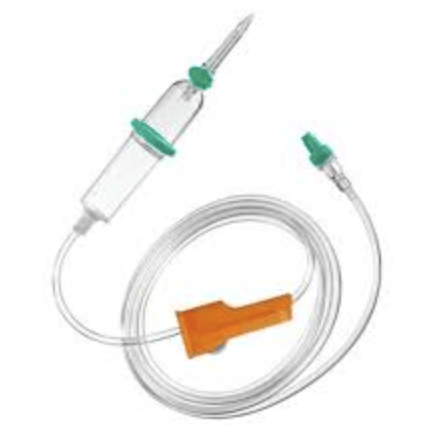
An IV administration set has multiple named components, each with a specific function. Understanding their correct names helps in accurate documentation, training, troubleshooting, and professional communication among healthcare teams during patient care.
Proximal End Components Named
The proximal end of an IV set includes the spike or piercing pin, the spike protector cap, and the drip chamber. The spike enters the fluid container port, while the drip chamber provides a visible column to monitor fluid flow and contains a filter to block particulate matter.
Mid-Section and Distal End Components
The roller clamp (flow regulator), Y-site injection port, anti-syphon valve, and luer connector are the primary named components of the mid and distal sections. The luer lock at the distal end secures the connection to the patient’s catheter and prevents accidental disconnection.
Troubleshooting and Problem-Solving
Some IV sets include additional named components such as the air inlet with bacterial filter (for vented sets), the burette chamber (in pediatric sets), the back-check valve, and extension tubing. Pump sets may also include cassette ports specific to the infusion pump model.
- Use standardized protocols for IV setup, maintenance, and removal
- Include infection prevention bundles in all vascular access protocols
- Educate patients and families about IV therapy and what to report
- Conduct regular audits of IV care practices to identify improvement areas
- Promote a culture of safety where staff feel empowered to speak up about concerns
Future Developments and Standards
Using standardized component names across healthcare settings reduces communication errors. When a nurse refers to the drip chamber or the roller clamp, every team member understands exactly which component is being discussed. This clarity is especially important during emergencies.
Frequently Asked Questions
FAQ 1: What should I do if I notice a defect in IV equipment?
Any defective IV equipment must be removed from service immediately. Document the defect, report to your supervisor, complete an incident or adverse event report, and retain the defective product for investigation if required by institutional policy.
FAQ 2: How does patient age affect equipment selection?
Patient age significantly influences equipment selection. Neonates and infants require micro-drip sets and smaller cannulas. Pediatric patients need smaller volumes with more precise control. Adults typically use standard macro-drip sets for routine fluid therapy.
See also: 8642081690 A Beginner’s Guide to Fitness and Health
FAQ 3: Are there environmental considerations for disposing of IV equipment?
Used IV equipment including tubing, needles, and filters must be disposed of as clinical waste following local regulations. Sharp components go into approved sharps containers. Tubing and non-sharp parts go into clinical waste bins.
Conclusion
A solid understanding of iv tube price is a hallmark of clinical excellence. Apply the principles and best practices covered in this guide to consistently deliver safe, effective, and compassionate intravenous care to your patients.